Dock efficiency is not about working faster. It is about removing the waiting that surrounds the work. This is the playbook we consistently see the best operators run to get more throughput out of the same doors and the same team.
Start by finding the waiting
Before changing anything, break a typical trailer cycle into its parts and time each one honestly for a week.
| Segment | Typical share | Value adding |
|---|---|---|
| Yard wait for a free door | 10–25% | No |
| Docked, waiting for labor | 10–20% | No |
| Active load or unload | 30–50% | Yes |
| Finished, waiting for release | 15–30% | No |
| Paperwork and gate out | 5–15% | Partly |
In most operations, more than half the cycle is waiting. That is where the throughput is, and it does not require anyone to move faster.
The playbook
1. Level your arrival profile
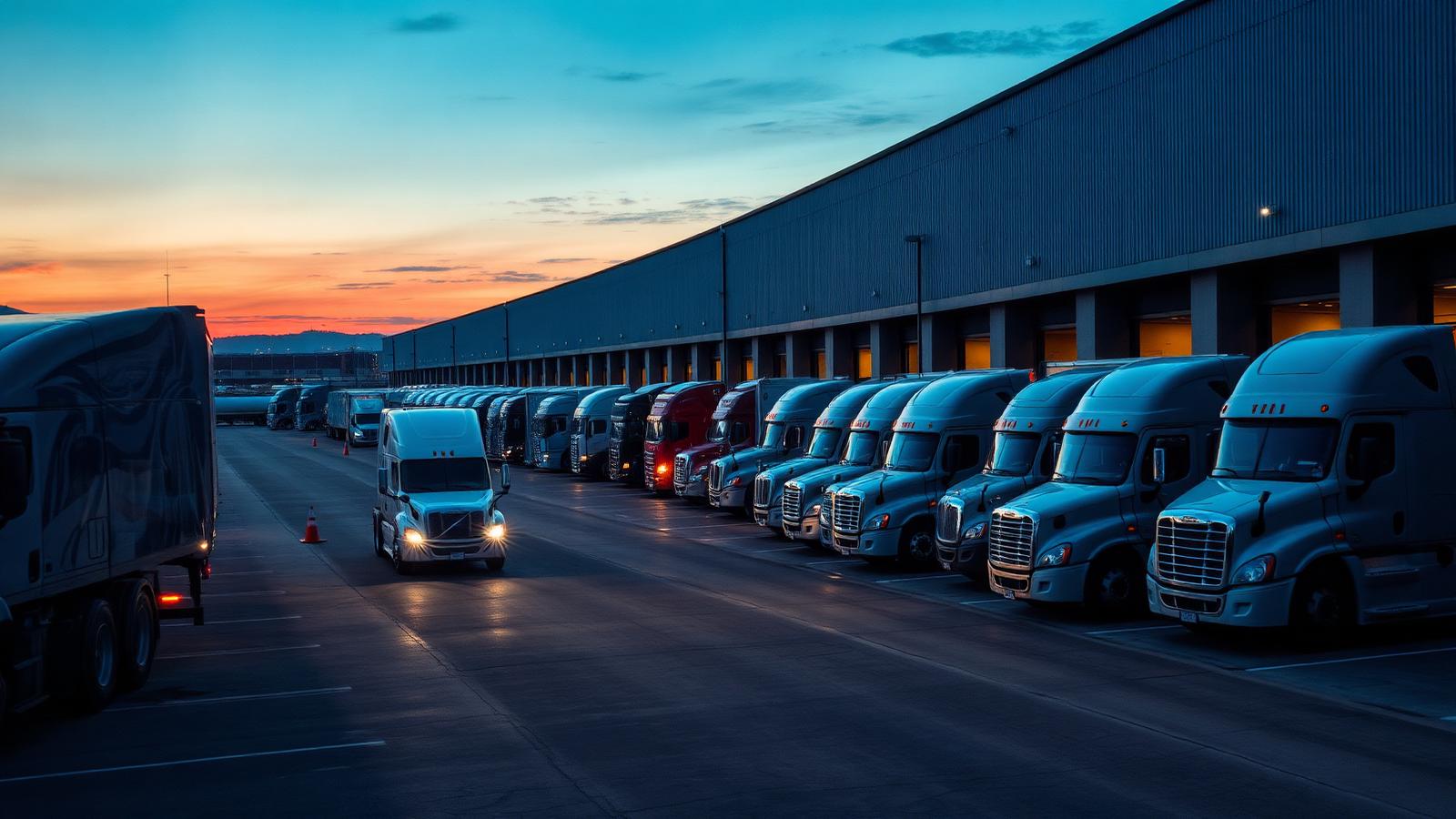
Sites that receive 60 percent of their volume before noon are choosing their own bottleneck. Shifting even two or three appointments into the afternoon usually produces a bigger throughput gain than any floor-level improvement, because it reduces yard queueing at the peak.
2. Match door assignment to freight, not to convenience
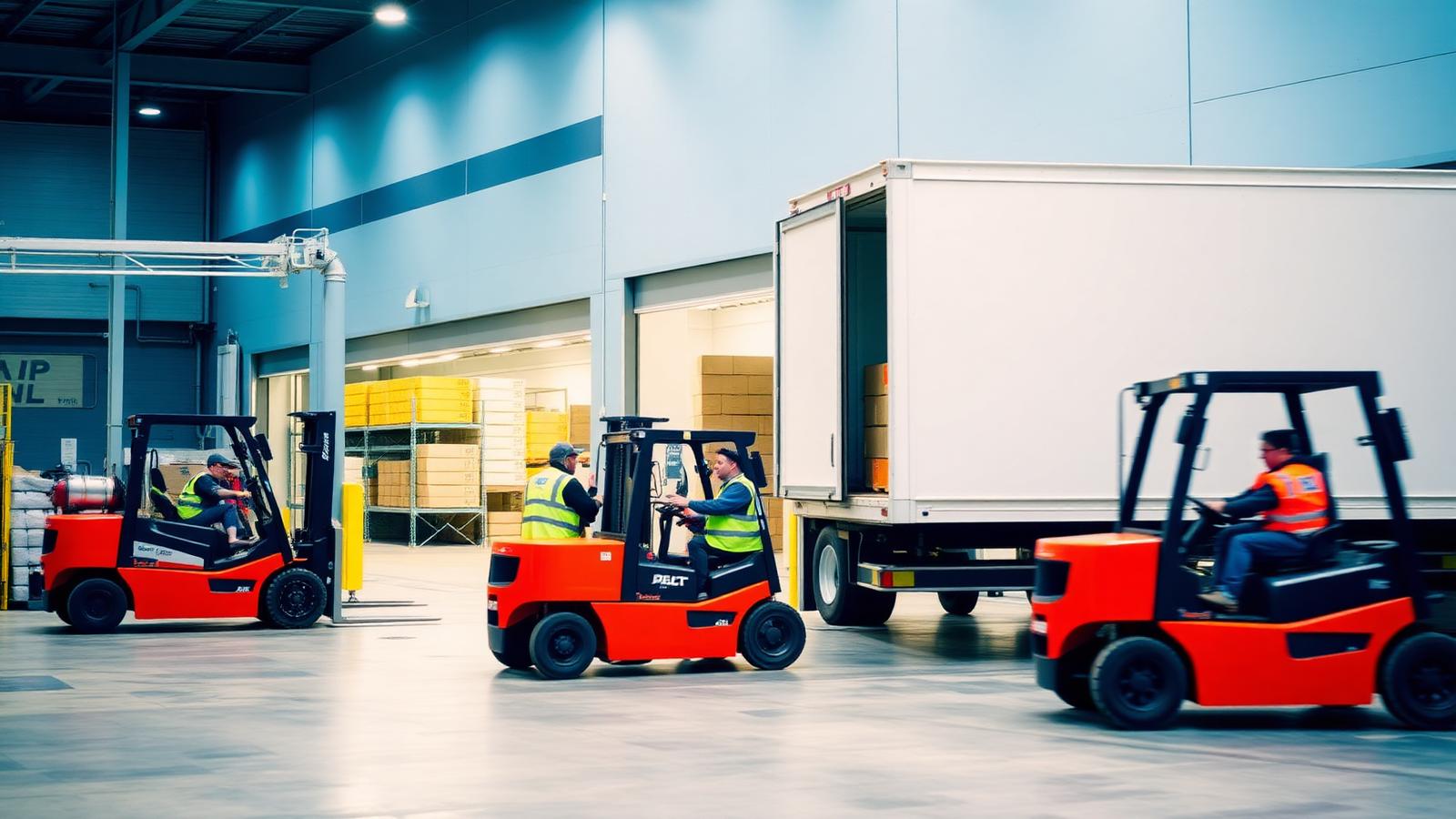
Assign fast-turn palletized freight to the doors closest to staging and slow floor-loaded freight to the far bays. Sequencing by handling profile rather than first-come order reduces cross traffic and lift travel distance.
3. Pre-stage everything you can
Outbound loads staged before the trailer arrives turn a 90 minute live load into a 40 minute one. This is the highest leverage change available to most outbound operations and costs nothing but discipline.
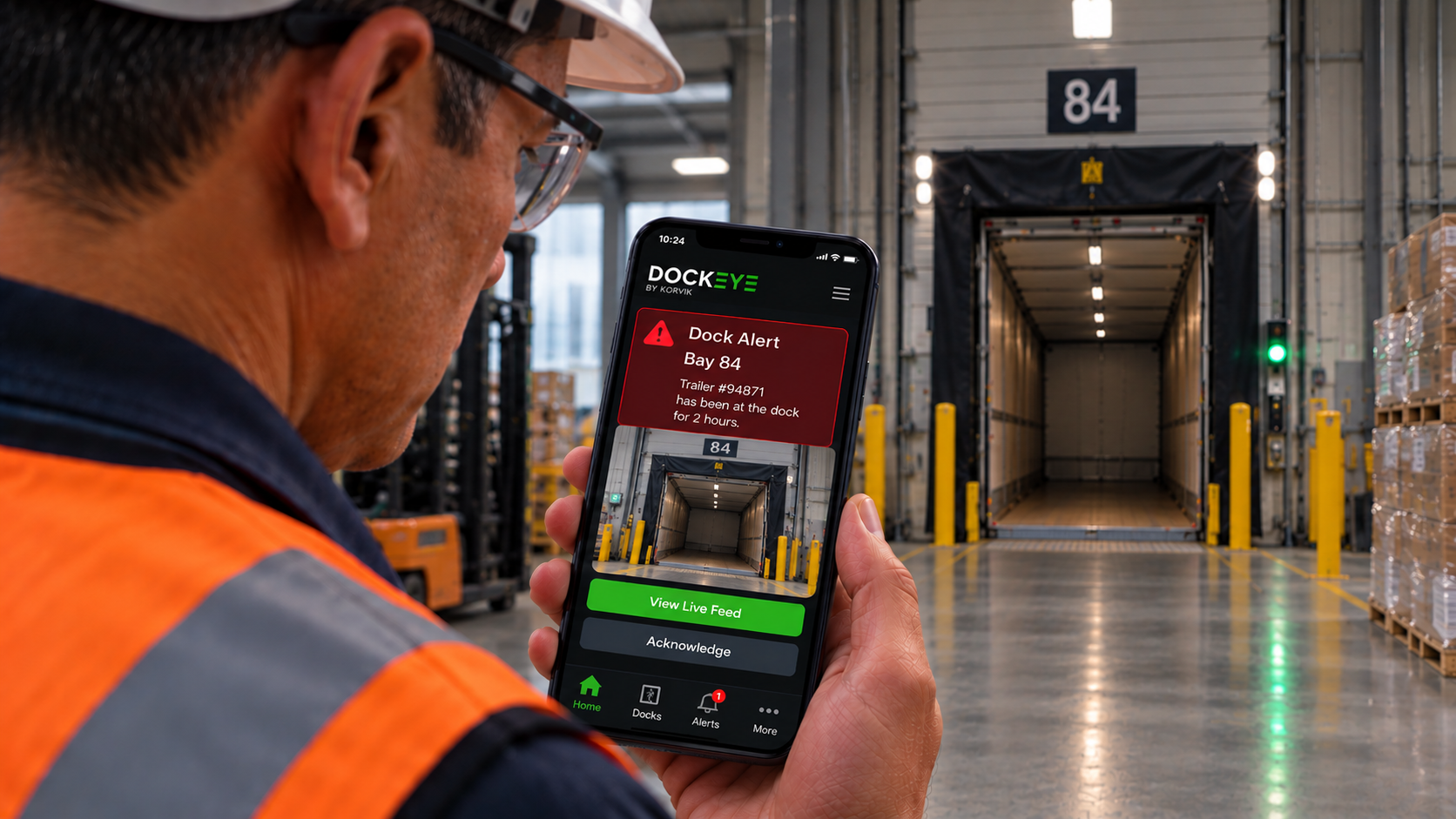
4. Make the door-free signal automatic
Do not rely on a supervisor radioing that door 9 is clear. An automatic signal the moment the trailer is finished recovers 15 to 30 minutes per cycle across the whole dock.
5. Standardise the exception path
Damaged freight, count discrepancies and missing paperwork are not exceptions, they are a predictable percentage of volume. Give them a defined lane, a defined owner and a defined time box so they stop blocking a door for two hours.
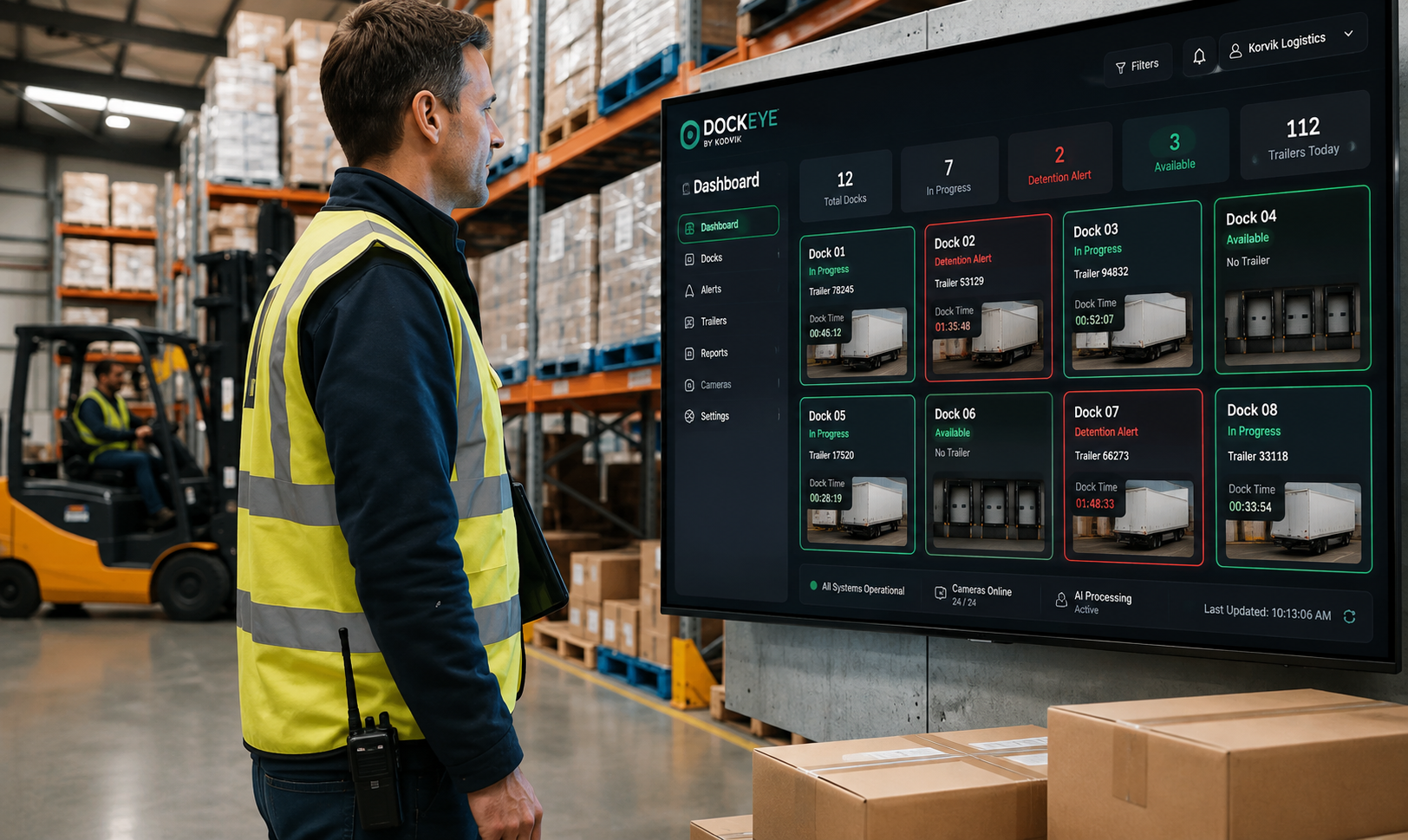
6. Put a live board on the floor
A wall display showing every door, its current state, and how long it has been in that state changes behaviour on day one. People manage what they can see, and dwell counters are unusually effective at prompting action without a supervisor asking.
7. Review the worst 10 percent weekly
Averages hide your problems. Pull the ten slowest cycles from the past week and walk through each one. Patterns emerge within two sessions, and they are almost always fixable.
The counter-intuitive part: the biggest efficiency gains almost never come from the loading and unloading process itself. They come from the handoffs on either side of it.
What to stop doing
- Chasing lift-truck productivity metrics while doors sit idle.
- Adding doors before proving your existing doors are utilised, not just occupied.
- Running appointment durations that no historical data supports.
- Reporting dock performance weekly when it needs to be visible hourly.
Key takeaways
- Over half of a typical trailer cycle is waiting, not working.
- Arrival levelling and pre-staging beat any floor-speed initiative.
- Automatic door-free signalling recovers 15–30 minutes per cycle.
- Review the slowest ten cycles weekly, not the average.