AI at the loading dock is having a moment, and a lot of what is being sold is a demo rather than a system. This is a grounded look at where AI genuinely helps dock teams today, where it does not, and how to tell the difference before you sign anything.
What AI is actually good at here
Watching things that never change
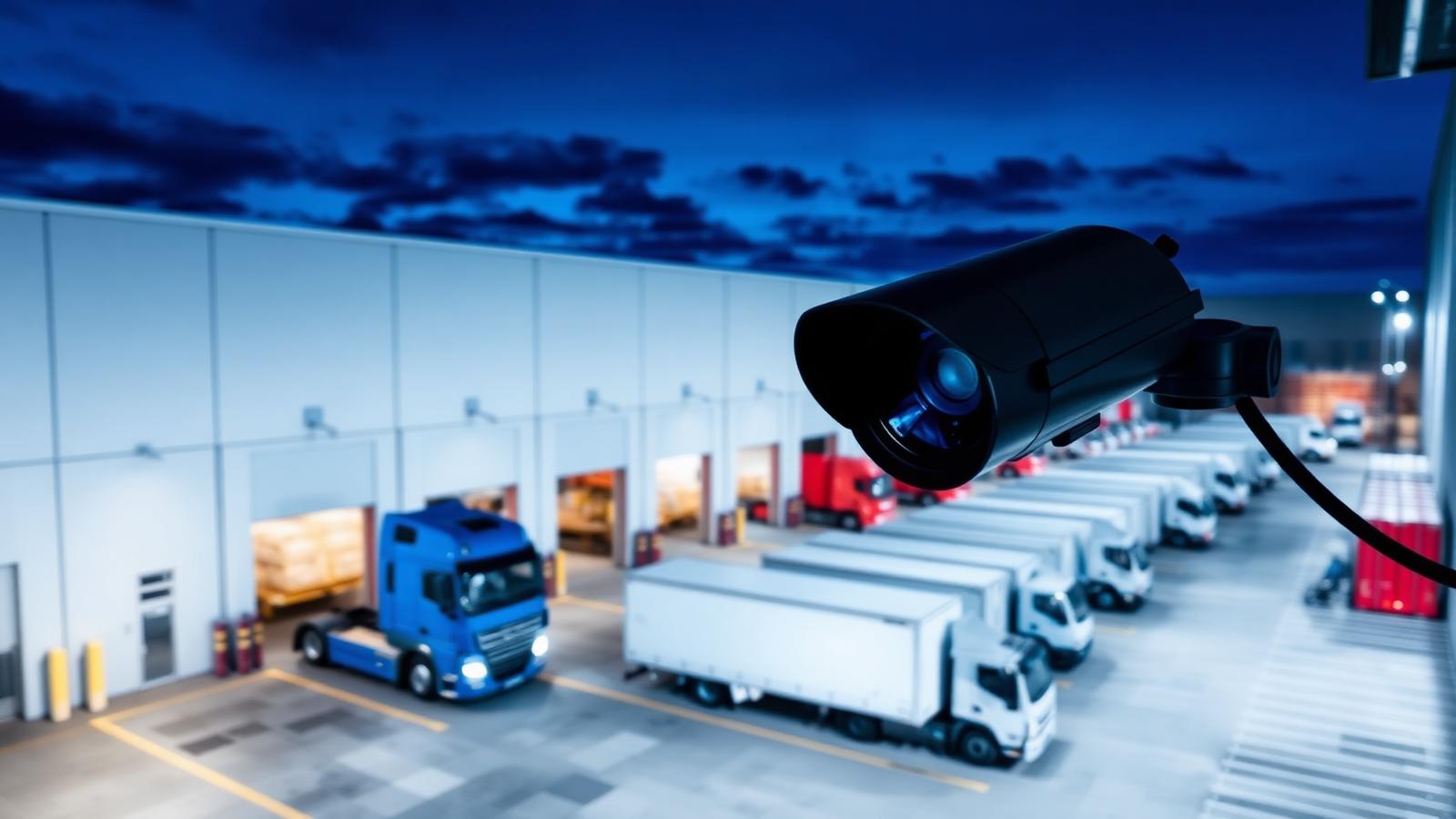
A camera pointed at door 12 sees the same scene for ten hours a day. Detecting whether a trailer is present, whether a truck is attached, and whether anything is moving in the doorway is a narrow, repetitive, well-bounded problem. That is exactly the kind of task where computer vision is reliable and a human is not, because humans stop noticing static scenes within minutes.
Producing timestamps nobody has to remember
The value is rarely the detection itself. It is the timestamp attached to it. An automatic, consistent record of when a trailer arrived and when the door became free removes the single largest source of error in dock data: someone being too busy to write it down.
Catching exceptions before they become charges
Threshold alerting is unglamorous and enormously effective. A message at 95 minutes on a two hour free-time clock is worth more than a perfect report at the end of the week.
Where AI is still oversold
- Counting individual cartons in a moving trailer. Lighting, occlusion and stacking make this unreliable outside of controlled conveyor environments.
- Predicting arrival times from camera data alone. Arrival prediction is a transportation data problem, not a vision problem.
- Full safety compliance monitoring. Detecting a missing vest is feasible. Judging whether a situation is actually unsafe is not, and false alerts destroy trust in the system within a week.
- Fully autonomous decision making. Systems that reassign doors without a human in the loop tend to be switched off after the first bad call.
A useful filter: if the vendor demo runs on their footage rather than yours, ask why. Dock scenes vary enormously in camera angle, lighting and door geometry, and a model that only works on ideal footage is a science project.
The three questions that separate real systems from demos
- What happens when a camera goes offline? A real system reports the outage as a distinct state and freezes the last known values. A demo silently reports a healthy dock that is not being watched.
- How is a zone configured for a new door? If the answer involves a vendor engineer on site, your rollout speed is capped by their travel schedule.
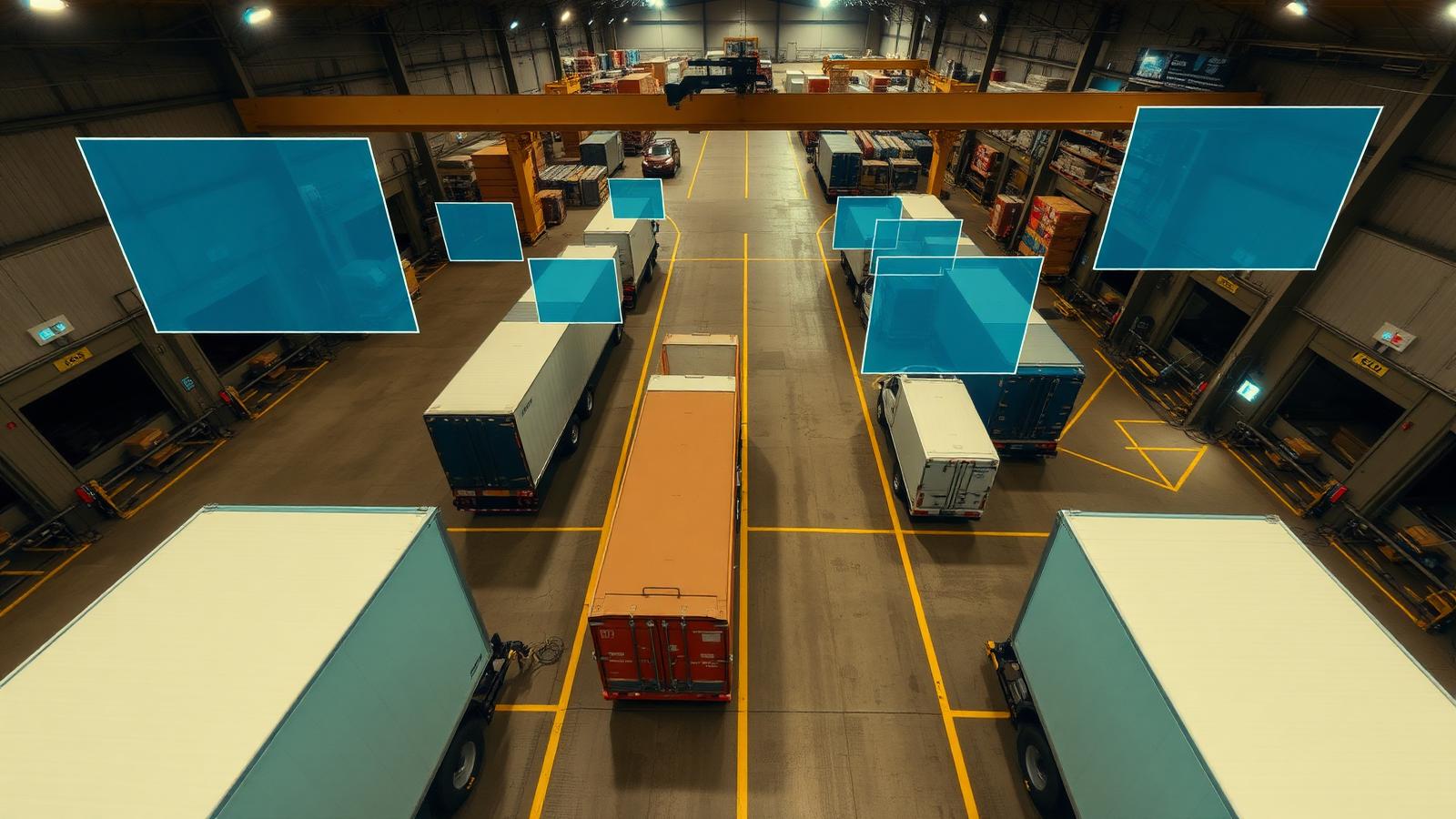
- Can you see why it made a call? An annotated frame showing the detected trailer and the configured zone turns a black box into something your supervisors will actually trust.
What a realistic deployment looks like
| Phase | Duration | What happens |
|---|---|---|
| Camera survey | 1–2 days | Confirm existing cameras have usable angles and stream access. |
| Zone configuration | Hours per site | Draw trailer and door zones per bay in a browser. |
| Shadow period | 1–2 weeks | Run alongside existing records to build confidence in the timestamps. |
| Operational use | Ongoing | Live dashboard, thresholds and alerts drive the shift. |
The honest cost picture
The expensive part of dock AI has never been the model. It is the integration, the camera work and the change management. Systems that reuse existing RTSP cameras and configure in a browser skip most of that cost, which is why they deploy in weeks rather than quarters. Systems that require new sensors on every door carry an installation bill that usually dwarfs the software.
Key takeaways
- AI earns its keep on narrow, repetitive detection and the timestamps it produces.
- Be sceptical of carton counting, arrival prediction and autonomous decisions.
- Camera-offline behaviour and self-serve configuration tell you more than accuracy claims.
- Integration and installation, not the model, drive total cost.